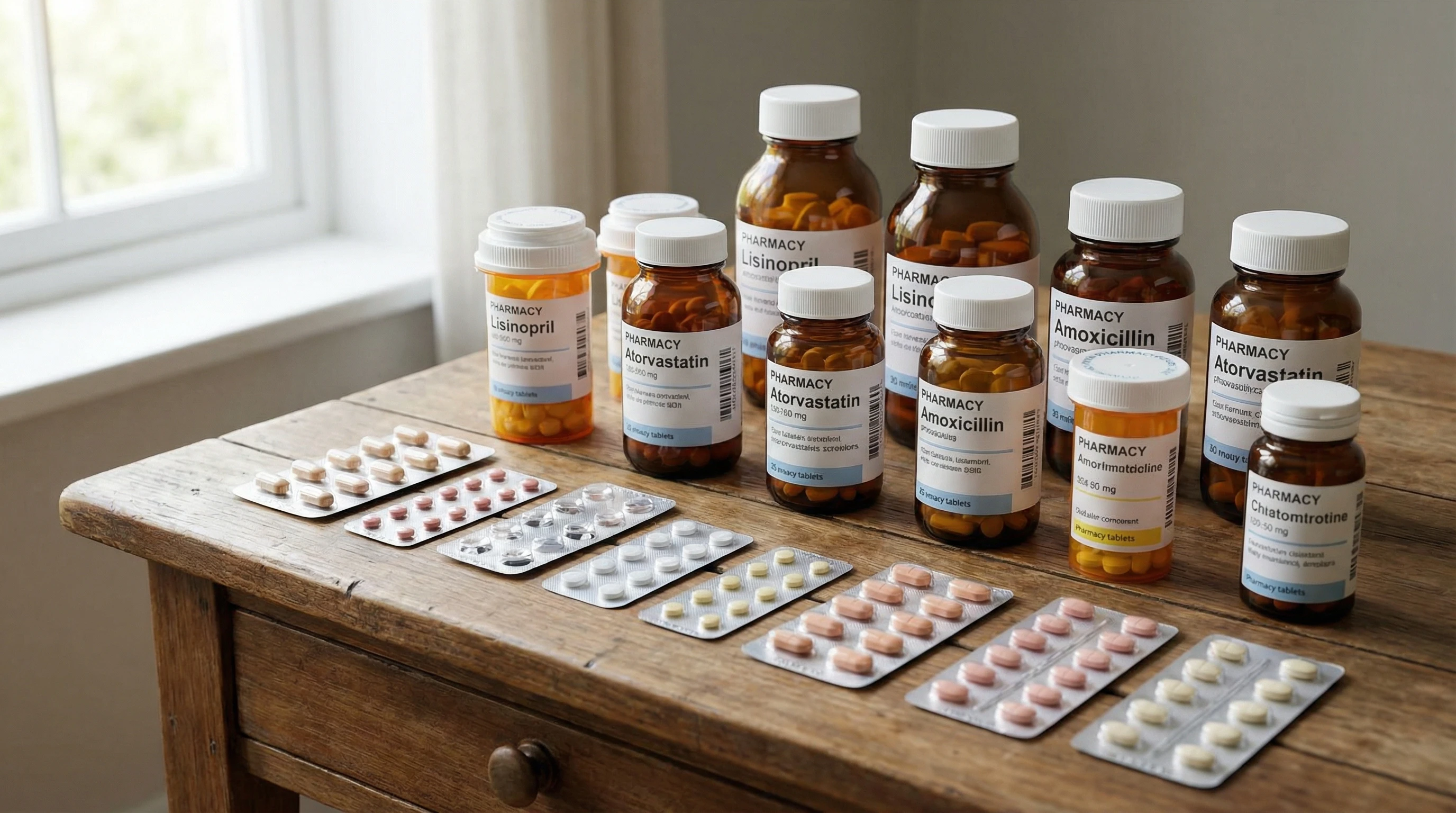
 Dealing with erectile dysfunction (ED) can feel like a big challenge, especially when it pops up unexpectedly after starting a new medication. I’ve noticed a lot of friends and family mentioning this issue, and after looking into it, I learned just how common it can be. Certain medications really can make a difference in sexual health for men.
Everyone’s body responds to meds a little differently, but there’s a good bit of research out there showing that some prescription drugs are pretty likely to cause ED as a side effect. Here’s a closer look at the types of medications that are known to affect erections, which ones tend to cause issues, and what you can do if you’re experiencing this problem.
Common Medications Linked to Erectile Dysfunction
Several common prescription drugs have been linked to ED. The medications I see brought up most often include:
- Antidepressants: Especially SSRIs (selective serotonin reuptake inhibitors) like sertraline, paroxetine, or fluoxetine. These are famous for messing with libido and function.
- Blood pressure medications: Meds like beta blockers (atenolol, metoprolol) and thiazide diuretics are also well known for lowering sexual performance in some men.
- Antipsychotic medications: Used for conditions like schizophrenia or bipolar disorder, these can impact hormone levels and reduce sexual desire or ability.
- Antiandrogens and prostate medications: Drugs used for prostate disorders or to treat cancer (finasteride, dutasteride, and some hormonal therapies) often shrink sex drive and cause ED.
- Antiseizure drugs: Meds like phenytoin or carbamazepine sometimes impact sexual function as well.
- H2 blockers: Ranitidine and cimetidine, used for ulcers and reflux, are occasionally linked to ED.
- Some cholesterol lowering drugs, especially older statins, although newer versions are less likely to cause these issues.
Why Do Medications Cause Erectile Dysfunction?
Most meds that cause ED do so by messing with the body’s blood flow, nerve signals, or hormone levels. Here’s what I’ve found:
- Blood pressure meds slow blood flow, making it harder to get or keep an erection.
- SSRIs and antidepressants can change brain chemistry and dampen sexual response, not just physically, but also by lowering sex drive.
- Antiandrogen drugs block testosterone, the hormone needed for a healthy sex drive and function.
- Some antipsychotics raise levels of prolactin, a hormone that interferes with sexual response.
It’s pretty common for guys to notice a drop in desire, trouble getting an erection, or problems staying hard enough for sex after starting certain meds. What’s wild is that even over-the-counter meds can sometimes play a role, so it’s not just prescriptions you need to be watching.
Antidepressants and ED: What You Should Know
SSRIs are one of the biggest offenders for ED. This lines up with what I’ve heard from a bunch of people close to me. A lot of the time, the benefits of treating depression or anxiety outweigh these side effects, but for some, sexual health issues can make staying on the meds tough. According to research cited by Mayo Clinic, up to half of all men who take SSRIs may notice some sexual dysfunction, and ED is a common complaint.
Not Just SSRIs
Other antidepressants like SNRIs (venlafaxine, duloxetine) and MAOIs can also bring some unwanted side effects, but SSRIs seem to be the main ones folks talk about regarding sexual health.
More Medications That May Cause Sexual Side Effects
It’s not just psych meds and blood pressure drugs. There are a few other categories to keep on your radar if you’re running into ED:
- Opioid painkillers: Long-term use drops testosterone, which can reduce desire and lead to ED.
- Cancer treatments: Chemo and radiation, especially for prostate or bladder cancer, often make an impact.
- Hormone therapies: Anything that adjusts hormonal balance (including treatments for male pattern baldness) can have a sexual side effect.
The overall takeaway is that if you’re struggling with ED and you’ve recently started a new medication, the two might be linked. The tricky part is figuring out exactly which one’s the culprit, especially if you’re taking more than one new drug at the same time.
Using ED Medications to Counteract Sexual Side Effects
A lot of guys end up asking about using medications like Viagra (sildenafil), Cialis (tadalafil), or Levitra (vardenafil) to help with ED symptoms triggered by other drugs. I personally know a few folks on SSRI antidepressants who have found that taking an ED med works really well for them.
These meds work by relaxing the blood vessels and boosting blood flow where it counts. This makes them a great option for many guys who have ED, no matter the cause. For men whose ED is from medication, things like Viagra can be a total game changer, especially if switching off the original medication isn’t possible or isn’t working.
Still, it’s always best to talk with a healthcare provider before mixing meds. Sometimes adjusting the dose, switching to a different similar drug, or even changing the timing you take your pills can make a huge difference. Never stop taking a prescribed med on your own, even if you think it’s behind your ED.
When to Talk to Your Doctor
If you start having trouble with erections after beginning a new medication, it’s really important to bring it up at your next doctor’s visit, even if it feels awkward. Health professionals hear about this all the time, and they have a lot of experience helping guys find solutions that work.
- Don’t wait too long: The sooner you mention the issue, the sooner you’ll figure out a solution. Whether that’s a medication review, a prescription change, or trying out an ED med.
- Be honest: Tell your provider how big of an impact the problem is having on your life. Sexual health really matters.
For more details on drug-induced ED, check out resources like the Harvard Health article on medications and sexual function, which covers this topic in detail. You can also find practical information at Cleveland Clinic’s ED guide.
What to Remember About Medications and Sexual Health
- Lots of common meds, like antidepressants, blood pressure pills, and prostate meds, are linked to ED.
- Using an ED medication can be really helpful for men whose ED is the result of another prescription. Just double-check with your doctor first.
- The best fix is always personalized, so getting professional advice is the way to go.
Drug-induced erectile dysfunction is super common, and there’s no reason to feel embarrassed about it. There are a lot of ways to help, and you definitely aren’t the only one dealing with this.
#erectiledysfunction #menshealth #sexualhealth #antidepressants #healthyliving #wellness #medicationsideeffects